
String Lights Redesign
Solution.
Create a product that keeps string lights untangled when stored and adds value, so they don’t waste space.
Prototype #1.
For my first try at visualizing my idea, I wrapped an LED strip around my pencil box. What makes it unique is that it's made entirely of zippers, letting it open into a long strip.
Problem.
String lights are usually used for holidays or to change a room's mood. When not hanging, they often tangle and take up space.
Three Major Design Elements
1) Connection Design
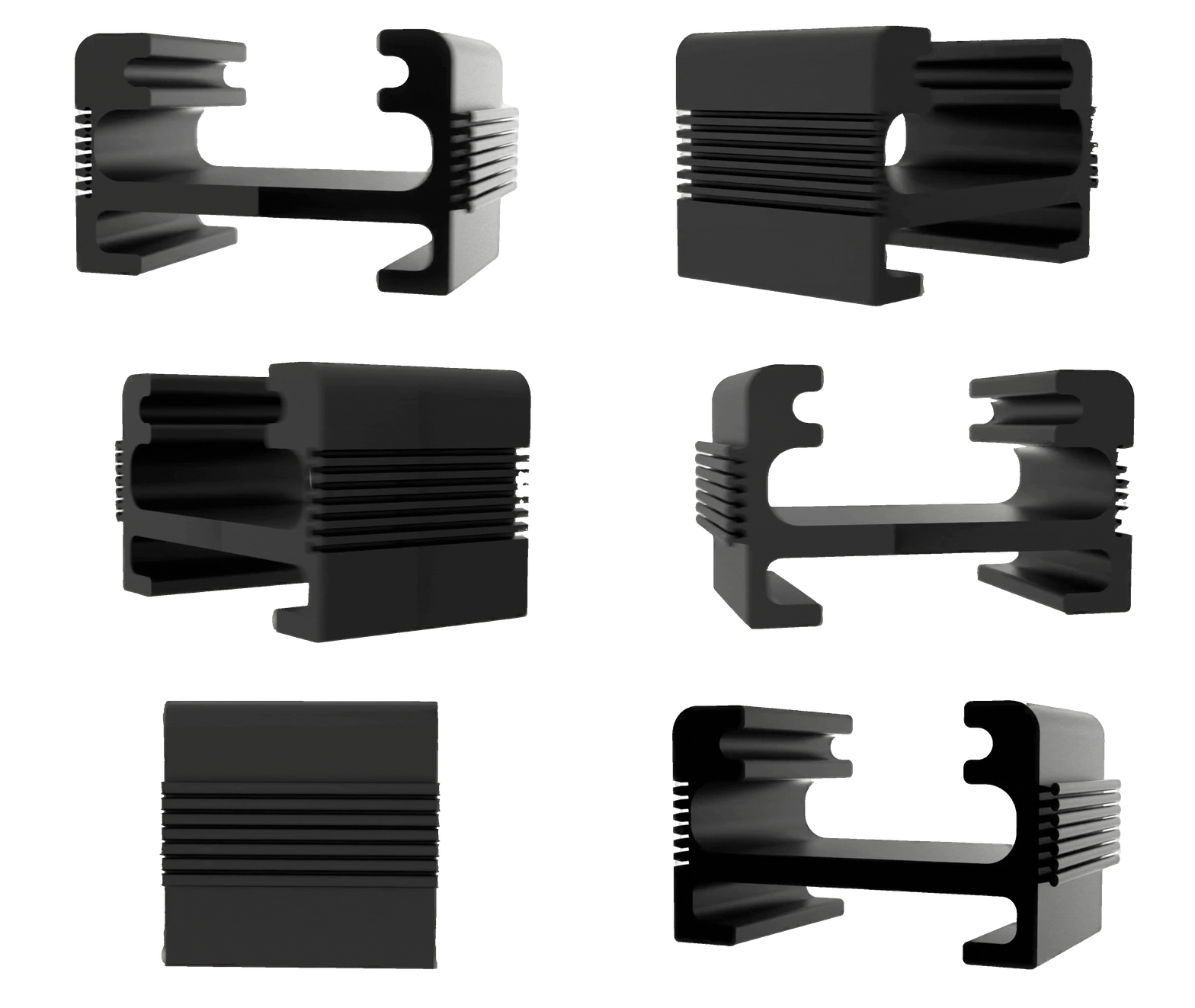
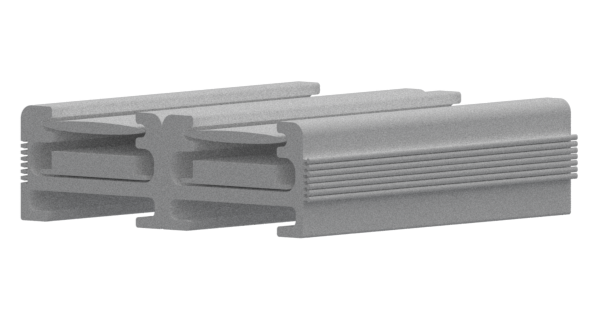
I ruled out zippers early due to poor transparency and limited scalability. I explored magnets and buttons before settling on a Ziploc-style connection for its intuitive use and low-cost plastic extrusion. The updated design adds keyhole locks to secure each segment and introduces proper seats for both LEDs and diffusion so they no longer shift or fall out. The final system is slimmer, cleaner, and far less bulky than the first prototype.
2) Slider Design
The slider enables the transition between desk-light mode and string-light mode. A narrow internal arm spreads the housing open while the opposite side compresses the LEDs back together. This mechanism keeps the transformation quick and controlled without adding extra parts or complexity.
3) Hook Design
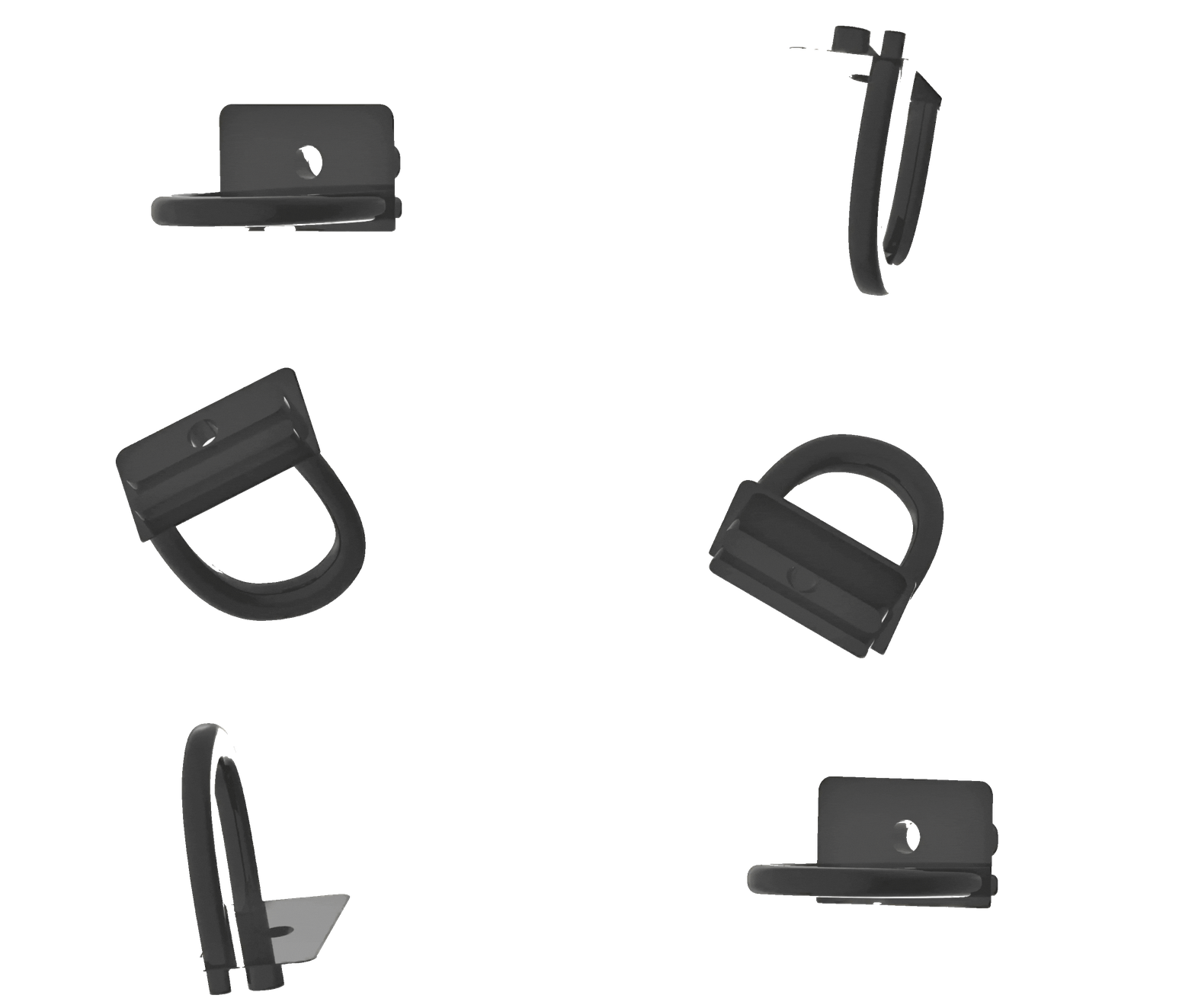
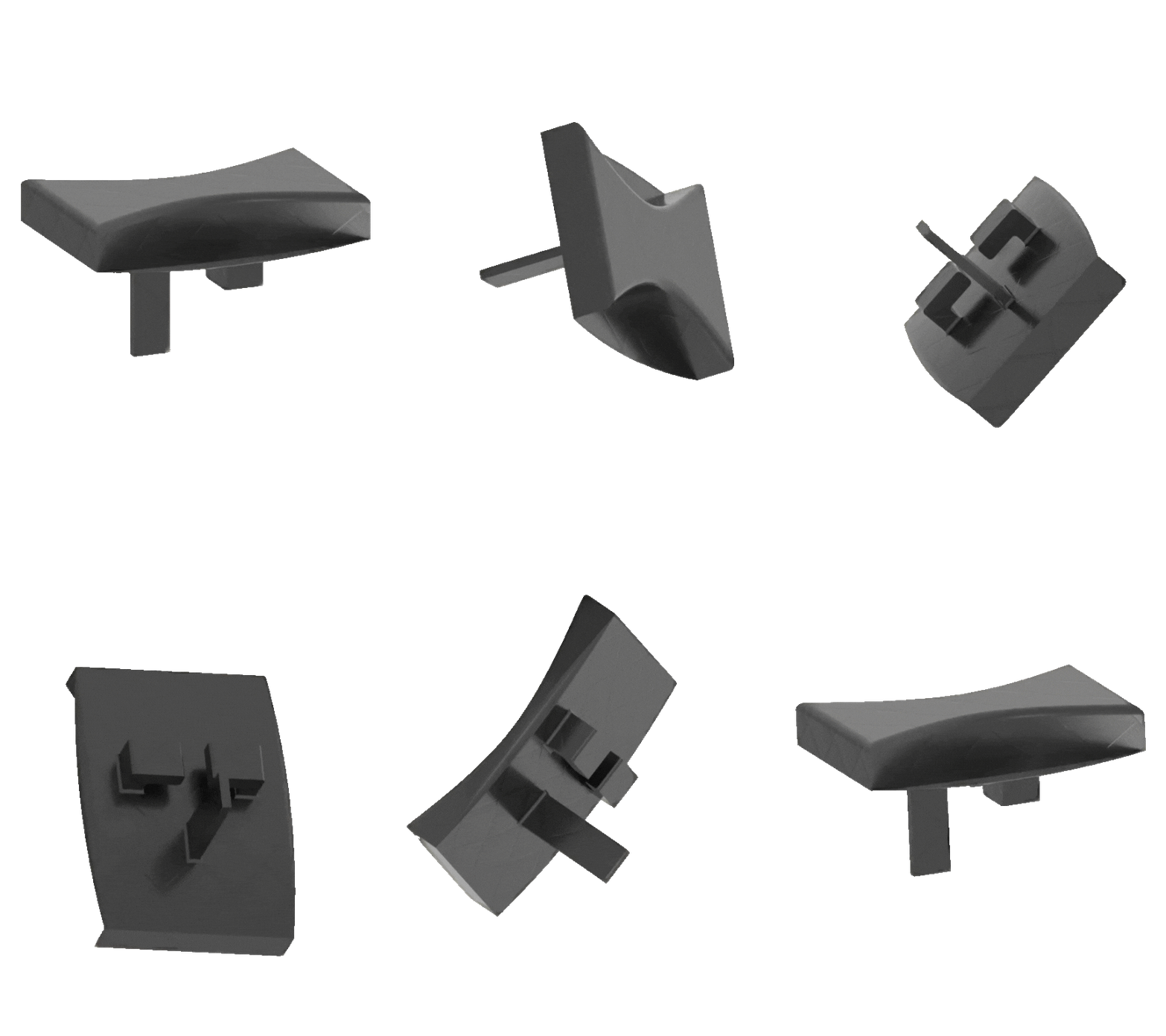
The hook secures the internal components and allows the light to hang in any orientation. Early versions required fasteners, but later iterations evolved into a snap-fit piece that attaches directly to the extrusion. This simplifies production and makes it easy to remove the cap for access to the electronics. One side includes a pass-through for the power cord.



Sketching and Prototyping — Round 2
Investigating and Ideating how the product would look when not a string light

Should be noted that this product was developed at the beginning of COVID, so resources were limited…
Final Design & Renderings
The above desk lamp version has a height of 1 foot and a diameter of 6 inches. In the string light configuration, the light spans over 35 feet long.